
My short story The Noted Liar was inspired by a visit to the Museum of Cambridge – a museum that had long been on the ‘we really must get round to doing that’ list and which turned out to be a rather diverting hour. The main focus of the museum was the social history of Cambridge and included the history of the city and its sometimes difficult relationship with the university. This is not a story that I had come across in any of the city’s other museums so it made for interesting reading. The rooms were full of well labelled objects arranged by themes such as hospitality and housekeeping, food preparation and the decorative arts.
In many ways the building itself was the most fascinating feature. It was once The White Horse – a coaching inn dating from the seventeenth century. Many of the features remain and exploring its hidden corners and narrow staircases was as pleasing as pouring over the displays. The bar was especially full of atmosphere as it still had the serving area and open fireplace, along with items directly relating to the history of the building as an inn.
However, I was also drawn to the Fens and Folklore displays which gave a real flavour of daily life, traditions and work in the landscape beyond Cambridge. The title of my story, The Noted Liar, came from an object in this room. There was an old tradition of Fenmen spending their evenings in local inns, telling improbable tales. In some villages the local blacksmith struck a medal with the inscription ‘the noted liar’ to give to the man who told the best story. One of these medals, found in Chesterton, was on display. The public house there was used as a meeting place for villagers and men who worked on the ‘lighters’ travelling on the river Cam.
Other objects on display included examples of skates used when the meadows flooded and then froze in particularly cold winters; eel hives and other tools to allow people to survive in the watery landscape of the fens. There were also examples of local folklore and stories – for example in the Fens around Ely and Littleport it was believed that anyone out early on May morning would see the ghosts of those who had drowned in local dykes and rivers.
I knew I had the germ of something so I set about reading local legends and stories and researching fenland life. Having grown up in the north of England, the Fens with their low lying marshy ground and big skies are a rather alien landscape to me so learning more about the people that lived and worked there brought the place to life in a new way. What today feels like an open and deserted landscape was once a place of intense activity and sat at the cutting edge of technology when, in the seventeenth century, Dutch skills were used to drain the fens and manage the broads. Suddenly windmills sprang up to pump out water and prevent flooding. With them came merchants and farmers drawn to the new trade routes and fertile land. This side of the history was reasonably familiar to me (at least in terms of the headlines) so it was interesting to read beyond this area.
On this occasion I wasn’t looking for in depth historical information but instead for atmospheric hints or stories that might help me develop a feel for the place and its people. My notes included ancient remains buried beneath the surface – the area is known for bog oaks and the remains of prehistoric forests which sometimes appear, preserved by the rich black peat. This fertile soil also attracted the Romans and evidence shows they were eating fish, eels and waterfowl as well as extracting salt from The Wash. Fires, earthquakes and the Dissolution of the monasteries also featured. Stories of Hereward the Wake and his outlaws, lantern men and black dogs also provided some vivid colour.
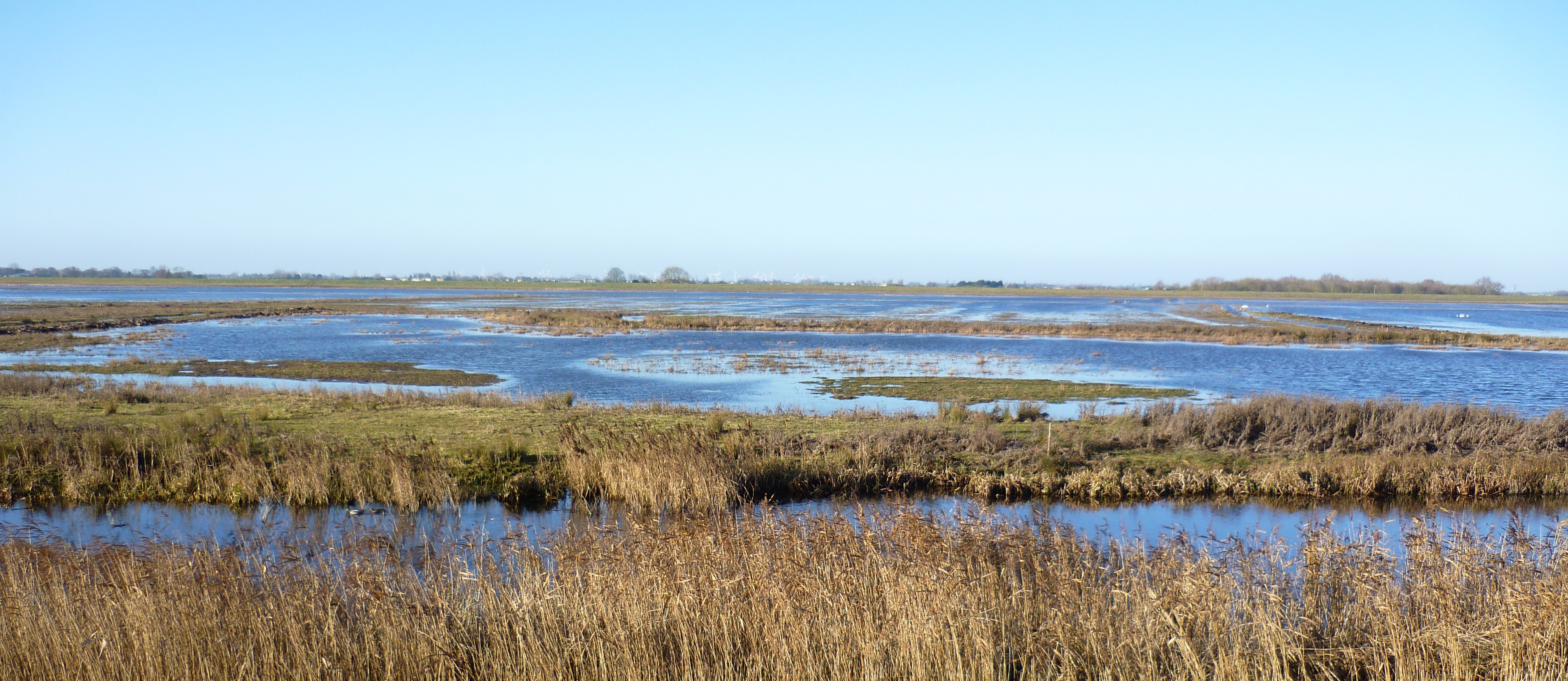
Another visit put these ideas and stories into a real landscape – Wicken Fen is today a nature reserve run by The National Trust. It is rich in wildlife – dragonflies, wild flowers and birds thrive there. However, to walk its trails is also to be aware of its history. It is there in the names of the fens, lodes (man made waterways – usually medieval in origin) and droves (wide pathways that criss-cross the fens). The boathouse, cottage, workshop, remains of a brick kiln and water pumps provide more tangible evidence. The National Trust use the cottage and workshop (restored using traditional techniques and local materials) to explore how Fenlanders lived and earned a living, recreating some of the atmosphere of life on these wetlands. Abundant plant life provided animal fodder and roofing material, wild-fowling, fishing, digging for peat and the making of eel hives were traditional occupations.
All of this fed into The Noted Liar – I chose not to write a historically set piece but instead wanted to imagine where a story telling competition set in a Fenland pub today might lead. The story was shortlisted in the 2016 Bedford International Writing Competition and featured in an anthology published in August 2017.
Shelly Dennison uses a pub tradition in ‘The Noted Liar’ to explore storytelling and the truth, from the title to the twist in the tale – Margaret Norwich writing in the introduction.

 Shelly Dennison