
My poem ‘The Whaler’ was inspired by a trip to the Polar Museum (part of the Scott Polar Research Institute) in Cambridge. Some of the objects on display were objects made or decorated by people involved with the whaling industry. In particular I was fascinated by scrimshaw, the shipboard art of carving into sea mammal products like whale bone, walrus tusks or the teeth of sperm whales. What they produced might be useful or just decorative. In my poem I imagine the inner monologue of an apprentice out for the first time on a whaling trip, watching an older, more experienced sailor, carving a boat into bone.
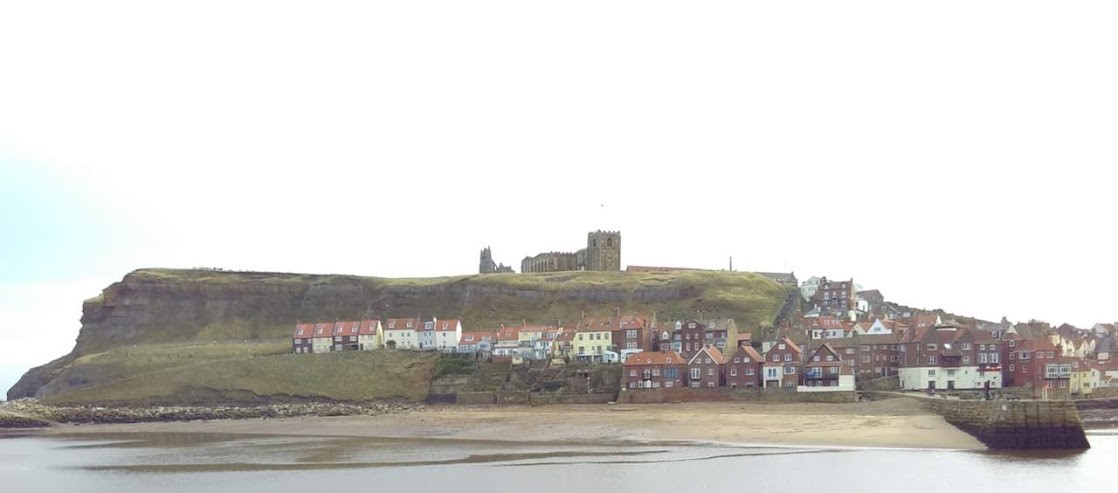
In the background I imagined for my apprentice, although not mentioned in the poem, the ship has sailed out of Whitby, a town lit by whales. By the end of the eighteenth century Whitby, on the Yorkshire coast, was a major whaling port, whale bones were used in corsetry to make stays and the blubber was boiled for oil which was used for street lighting. Elizabeth Gaskell transformed the town into Monshaven in her 1863 novel ‘Sylvia’s Lovers’ in which Sylvia Robson falls in love with Charlie Kinraid, a sailor on a whaling vessel who is press-ganged into the Royal Navy to fight in the Napoleonic Wars.
The poem, however, isn’t really about whaling, it’s about fear and how it can be calmed. It’s also about the power of stories, the ones the boy has heard on shore about pirates, shipwrecks and whales, and the ones the old sailor tells him about life at sea.
Shortlisted: The Bedford Competition (2024) and featured in the anthology.


 Shelly Dennison