Over their beer, the boatmen are dreaming of cargoes and chances. Outside it is midsummer eve, a pause in the too warm twilight, the scents of sweat and coal dust, of leather and horse, mingle with sweet hay meadows. The boy lies on his back, stretching aching limbs, held by the earth and dreaming of nothing but this.
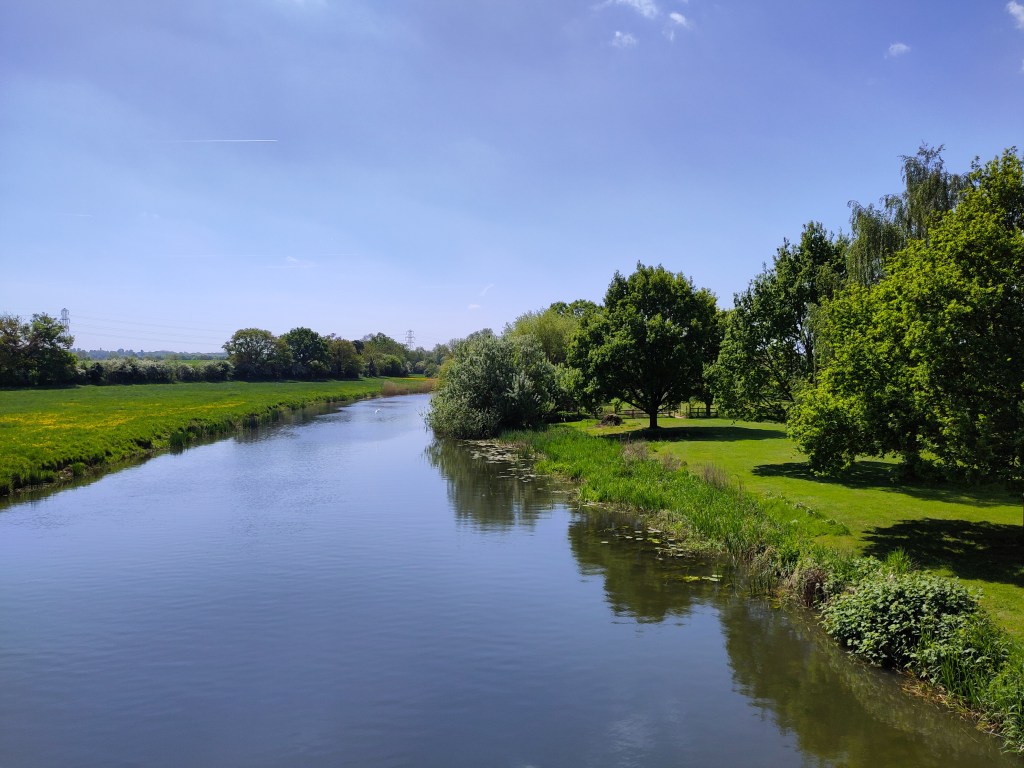
Today, the Great Ouse feels like a sleepy river as it meanders through the Bedfordshire countryside but it was once a bustling working waterway. The river rises in Northamptonshire before flowing through Buckinghamshire, Bedfordshire and Cambridgeshire on its way to Kings Lynn in Norfolk where it enters the The Wash. Kings Lynn was an important medieval port, growing rich through trade with the German Hanseatic League.
Upstream at Bedford, the town bridge was important in the history of the rise of fall of the town’s trading fortunes. As early as the 1440s the old bridge was cited as a reason for the loss of trade and so improvements needed to be made to make the river navigable to Bedford, which eventually happened in 1689. This was done as part of an age of river improvements across the country between 1600-1750, and it had an immediate impact. The boats could carry as much with one horse as carters could carry with 40. Along the riverfront shops, yards and wharfs sprang up and Bedford became a local hub for the distribution of coal from Newcastle. Other goods unloaded in the town were those required by an inland agricultural region including fish, salt, iron, grindstones, timber, pitch and hempseed. Exports also reflected the agricultural nature of the surrounding countryside and included corn, oats, rye, malt, peas, beans, flour, flax and hemp. Brewers were also attracted to the riverside sites. Watermen who steered the boats and horsemen who managed the towing horses were doing thirsty work and visited the local pubs. It would often be boys who rode the horses, keeping them fed and watered, and sleeping out with them in the summer.
Horse drawn transport was important in other ways and towns like Woburn, Bedford and Dunstable became important Georgian coaching centres, helping people move across the country. The inns and stables provided places to rest, eat and change horses, while the increased number of stagecoach routes provided regular services to London, the north of England and elsewhere.
Eventually the boats, coaches and horses would be replaced by the railway as the most important means of transporting goods and people but for now they connected Bedfordshire to the wider world, opening up new possibilities for travel and transport.